Topic outline
-
Overview
The goal of the industry perspective project was to:
- equip academic staff with a comprehensive understanding of Generative AI (GenAI)'s impact on the industry and its reflection on higher education and its collaboration with industry
- foster skills for effective GenAI integration into teaching and assessment, and
- enhance strategies for maintaining academic integrity and graduate employability in the GenAI era.
Definitions
Industry: In this module, "industry" refers comprehensively to the various sectors, organisations, and businesses that comprise the professional workforce and job market. It encompasses the collective body of employers, companies, and professional fields that Gen-AI is impacting and for which Tertiary Education Institutions (TEIs) are preparing graduates.Employers and Industry Partners: These are the entities that hire university graduates and engage in collaboration with TEIs to align curricula with evolving workforce demands. They are key stakeholders whose perspectives on skill requirements, ethical considerations, and opportunities/challenges are central to the module.
Workforce and Job Market: It represents the overall environment where jobs exist, skills are required, and professionals operate. The term encompasses the daily work processes, productivity, and economic growth influenced by Gen-AI.
Background ResearchThe interactive below takes you through detailed research on:
- The impact of Generative AI (GenAI) on industry, and why this is important for academic staff to understand.
- How Gen-AI is transforming industry practices, and what are the associated risks and
opportunities.
- What essential skills industries expect from graduates in the GenAI era, and how does this impact
TEIs' curricula.
- How academics can effectively collaborate with industry partners to integrate GenAI into
teaching and learning while maintaining academic integrity.
A PDF of the research is also available to download.
Results and Discussion
To effectively implement these strategies which can effectively integrate GenAI into teaching and learning while maintaining academic integrity academic staff require specific support and professional development in the areas described below:
- Robust Training Programs for Gen-AI Integration: Industry experts flagged that there is a clear need for comprehensive and robust training programs specifically designed to equip educators with the skills necessary to integrate Gen-AI tools into their teaching practices effectively. This training would empower them to engage students with these technologies meaningfully.
- Professional Development in Gen-AI Oversight, Critical Thinking, and Ethical Reasoning: Educators could benefit from professional development focused on integrating simulation-based learning, which can support the development of critical thinking and ethical reasoning skills for Gen-AI oversight. This is vital for helping students assess the validity and implications of Gen-AI outputs, especially in complex or ambiguous situations.
- Enhanced Gen-AI Literacy: While the survey participants mentioned were industry professionals, a significant portion (38% identified as novices and 22% reported no experience) had limited familiarity with Gen-AI tools. This suggests a general knowledge gap that likely extends to academic staff, underscoring the need for improving Gen-AI literacy among educators to navigate and utilise these tools confidently.
- Support for Developing Specialised Gen-AI Curricula and Pedagogical Approaches: Academic staff need support to develop and incorporate specialised courses or training programs on Gen-AI tools. This includes guidance on designing practical projects and assignments within the curriculum. Additionally, facilitating joint workshops or seminars with industry to discuss the impact of Gen-AI and gather feedback on skill requirements would require academic staff to be proficient in leading and contributing to such initiatives.
- Guidance on Fostering Critical Evaluation of Gen-AI Outputs: Industry concerns highlight that over-reliance on Gen-AI might weaken critical thinking and other essential skills. Academic staff need to be equipped to teach students how to critically assess Gen-AI-generated content, test its accuracy, and filter information for reliability and relevance. This aligns with the recommendation that TEIs should support students in integrating Gen-AI-powered technologies into their learning and skills development practices, which inherently requires staff proficiency.
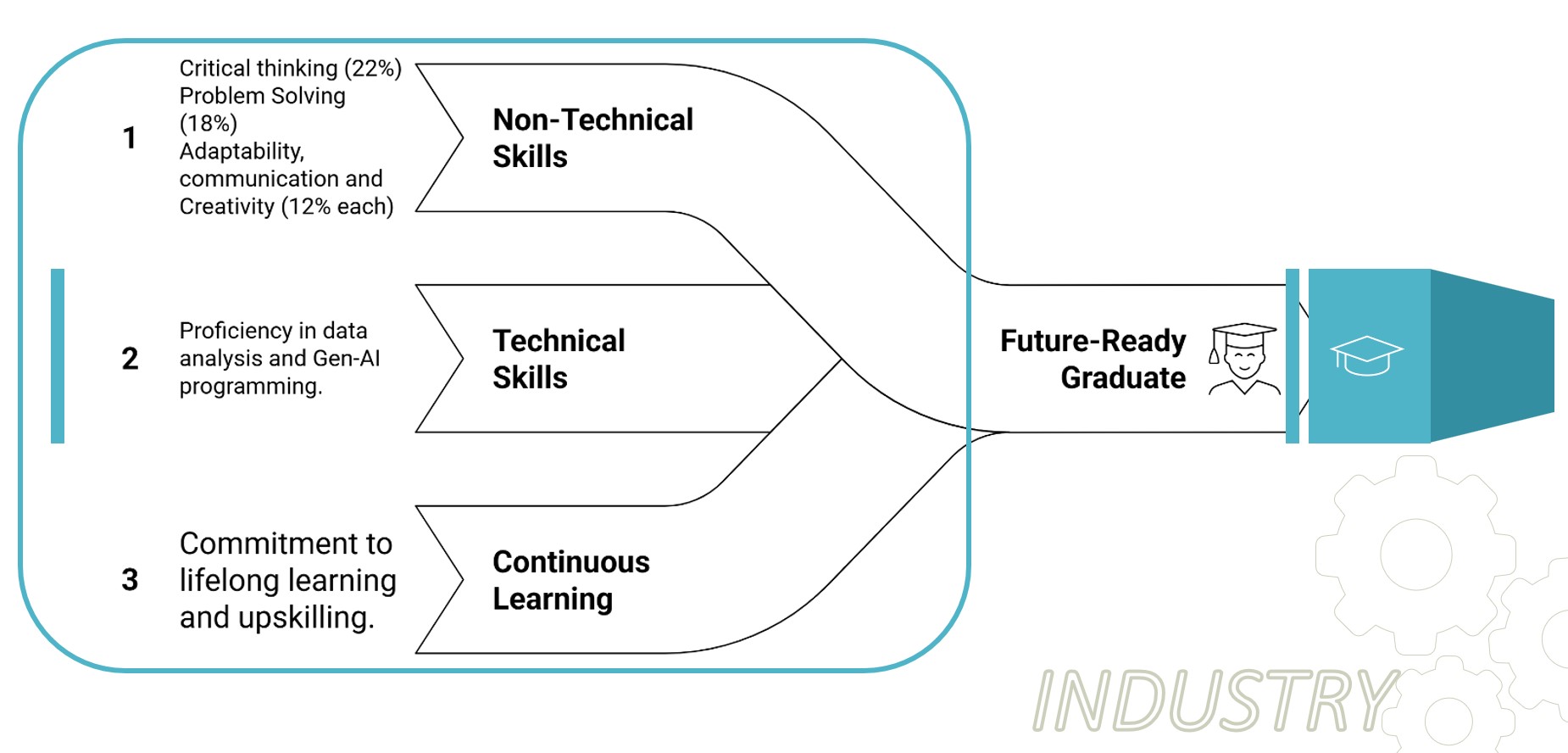
Figure 7 - Essential Graduate Skills required by Industry / Employers
Figure 8 - Academic Staff Support Toolkit for Gen-AI Integration - An Industry View